City of Bridges Tour & Port Wine Tasting -We visited the São Bento train station which is one of the most beautiful train stations in the world. There are 22 thousand tiles covering the walls and ceilings. Next, we went to the Cathedral and then visited a local winery for a tour and Port Wine tasting. We rode the cable car down from the bridge.
Entre os Rios, Enja, Penafiel
We sailed on the beautiful Douro River through the morning. We departed by bus for lunch at Quinta da Aveleda, an estate that is famous for its beautiful gardens. It is also famous for “green wine”. We first had a walking tour through the gardens and then were served a typical Portuguese lunch with regional wines. We sailed through the afternoon and saw the Carrapatelo Dam and lock, the highest one in Europe. Once in the lock, we go up 35 meters/115 feet so we can continue sailing on the river.
Régua
Today we dock at Cais do Peso da Régua. We go by bus to visit the Mateus Palace. This is a beautiful region just outside the city of Vila Real. The palace’s magnificent gardens feature perfectly manicured topiaries work and an impressive Cedar tunnel. The house is filled with beautiful 17th-18th century furniture and decorations transporting you back in time.
We take a 30 minute drive to visit the Remedios church which has 686 stairs down. Here we taste the delicious Bolas de Lamego and the most famous sparkling wine in Lamego. We return to the ship for lunch and sailing again, to Bagaúste Dam/lock. The difference in the water level: 28m/84 feet. After a brief sail, we again go by bus to visit a local Wine estate for a port wine tasting. A specialist from the vineyard took us on a private tour of the wine cellars which had a lovely aroma. He talked about the centuries-old winemaking methods and then we had a tasting of the vineyard’s specialty wines.
Back at the ship, a bottle of port wine was opened using the “fire and ice” technique that is used to prevent cork from being pushed into the wine as he has been aged and has changed over the years of storage.
Pinhão
A visit to the train station and around the beautiful village of Pinhão. The four walls of the station are decorated with 3100 tiles, depicting scenes from the Douro Valley. Most of the scenes depict activities related to the production of port wine.
After an afternoon break, we take a bus ride inland, to 600 meters of altitude (1968 ft above sea level) and with 1000 hectares of planted area, to have dinner at Quinta da Avessada, in Favaios. This is the highest and flattest point of land in the region. The village is famous for its Muscatel Wine, declared by many as the national drink. We are also given sausages, codfish cakes, stewed veal in red wine sauce and a selection of deserts.
Barca d’ Alva
We travel by bus to Castelo Rodrigo to visit a beautiful Portuguese historical village where we taste delicious local specialities including regional wines, cheese, almonds olives and bread.
Vega Terrón to Madrid via Salamanca
Morning on the ship with early disembarkation. Buses take us to Salamanca Alameda Palace where we have a walking tour. Lunch is served at the Alameda Palace Hotel with a Spanish folk show. Then, travel by bus to Madrid and check-in to the hotel.
Madrid City tour begins with a panoramic tour of Madrid where we see the modern parts of the city. Then we depart the bus to see the Royal Palace and continue through the Old Town to the Mayor’s Square which is surrounded by shops, traditional taverns and restaurants.
Toledo
Toledo is a walled city UNESCO site. It was the ancient capital of Spain. We visited a Jewish synagogue that is not used any longer. We also saw a cathedral that is massive and in regular use. We went to the old train station that has been converted to a botanical garden inside the old building. Returning to the hotel, we walked through a large, beautiful park on the return to the hotel.
Two years after being sent home from Bangkok due to Covid 19 (Wuhan), we again travelled. We had to have two doses of vaccine and a booster. We flew to Montreal with a planned flight to Miami. To enter the U.S. we had to have a PCR test within 24 hours of trave. We spent a couple of hours on the phone and videoing ourselves using the nasal swab while being watched over the phone. We got approval. We left home at 6:00 a.m. Sunday, to the airport, to the plane, landed early in Montreal. We went to the assigned gate, sat down and waited about 30 minutes. Then the gate was changed to far away. We had to walk a long way to catch the flight.
Several hours later, landed, went to the gate waiting for our ride. Nearly an hour later, a long walk to different baggage area as we had been given the wrong carousel information. Walked to a different baggage area where our car and driver were patiently waiting (he arrived after the changed gate was posted but we could not see the change in the original baggage area). We arrived at our hotel about 1:00 a.m. exhausted and it was already Monday.
We woke and off to eat breakfast. Then, back to the transport to be taken to the cruise terminal. Again, another PCR test. About 1 ½ hours later, we were cleared to board the ship. We were still exhausted from travelling and lack of sleep but, we wanted to help our bodies adjust to the time change as quickly as possible. So, we stayed up, unpacked and went to dinner. After dinner, we went to the cruise presentation “Red Pirates of the Caribbean” which was entertaining and very interesting.
March 1 : Costa Maya
Had to wake early (considering the three hour time difference). We went on a tour to Costa Maya, Mayan Ruins. It was a long drive but the ruins were impressive and amazing they could be build so long ago.
March 2 : At Sea
March 3 : Harvest Cay, Belize
We took a long walk into a small village. There we caught a tour boat away to the Monkey River, 30-40 minutes, then up the river with local guides pointing out a variety of birds, flowers and trees. We had time for a walk in the jungle where we saw a troop of Howler Monkeys. Again, an informative and interesting tour.
March 4: Roatan Island, Honduras
We visited a small island (77km by 8 km). We can see the reef and fish from our balcony. The tour included a van ride to West End Village where we walked the length of the town and had “Malala” (a great cold drink) served by a fun waiter named Elvis. Next we drove to the Hanging Echo Bridges where we crossed seven suspension bridges. Next we drove to West Bay Beach were we ate lunch (a great seafood platter), relaxing in the shade looking at the ocean. Then, travel back to the ship and dinner at Chartreuse, the fancy restaurant on the ship.
Ko Samui is located in the Gulf of Thailand. The island was probably first inhabited about 15 centuries ago, settled by fishermen from the Malay Peninsula and Southern China. The name Samui is mysterious. Until the 20th century, it was an isolated self-sufficient community, having little connection with the mainland of Thailand.
We sat in the front of the tinder on the way to shore and got a thorough shower from the waves. First stop with a stop at the Golden Buddha temple which was very beautiful. We had a Thai lunch buffet which was delicious. We stopped to see some coconut picking monkeys which were entertaining. Then we stopped at a beautiful viewpoint.
February 19 : Laem Chabang (Bangkok)
Bangkok is the capital city of Thailand and the most populous city in the country. The Ancient City is a re-creation of the city from the past. There are a number of different temples and some live water buffalo along with a display of water buffalo. The tour guide gave historical information on the two-hour ride there and then on a tram ride around the park. The trip there was on a modern highway and there were some modern, high-rise buildings but also many small houses along the river where traditional net fishing was being done. Then, many fields of fish farms. Most of the trip could be considered suburbs of Bangkok.
February 20 : Laem Chabang Grand Palace
The spectacular Grand Palace is one of the most famous landmarks in Bangkok. It was built in 1782 and for 150 years was the home of the Thai King, the Royal court and the administrative seat of government.
February 21: Sea Day
A change in travel due to Wuhan- Coronavirus. It kept us in Laem Chabang one extra day so additional trips were provided.
Laem Chabang Floating Market
We traveled to the Floating Market. Actually, it was not particularly impressive. It is a replication of what had been original in Bangkok. Simply commercial products and food
We saw the Sanctuary of Truth which is perhaps the most iconic structure in Pattaya. It is intricately carved entirely from teak wood. The 105-meter-tall hall is awe-inspiring and a one-of-a-kind structure in the whole world.
We walked through and then back to the ship.
February 22: Home Again
The trip back was a nightmare, airport experience due to the fact that all tourists were being sent home. There were repeated screening (temperature), crowds, delays but eventually, we got on a flight and had a good flight home.
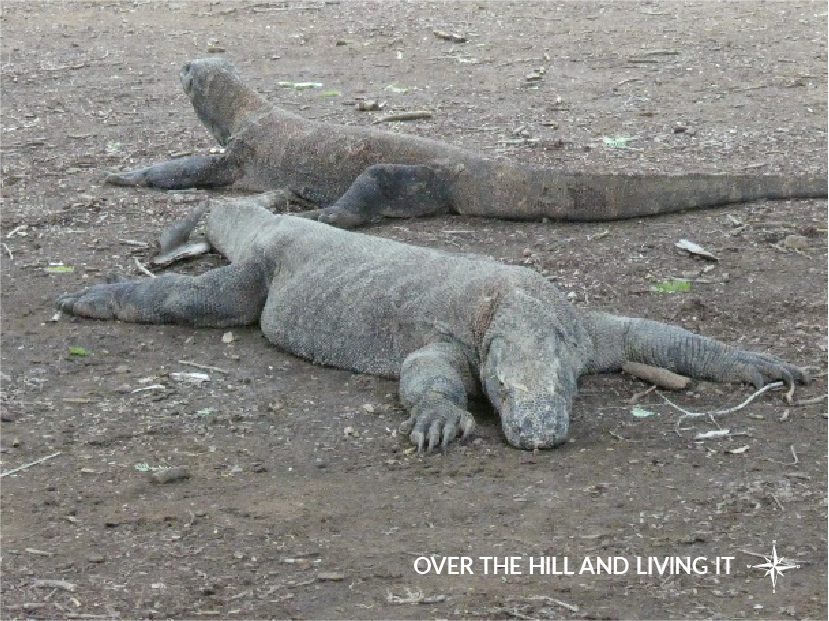
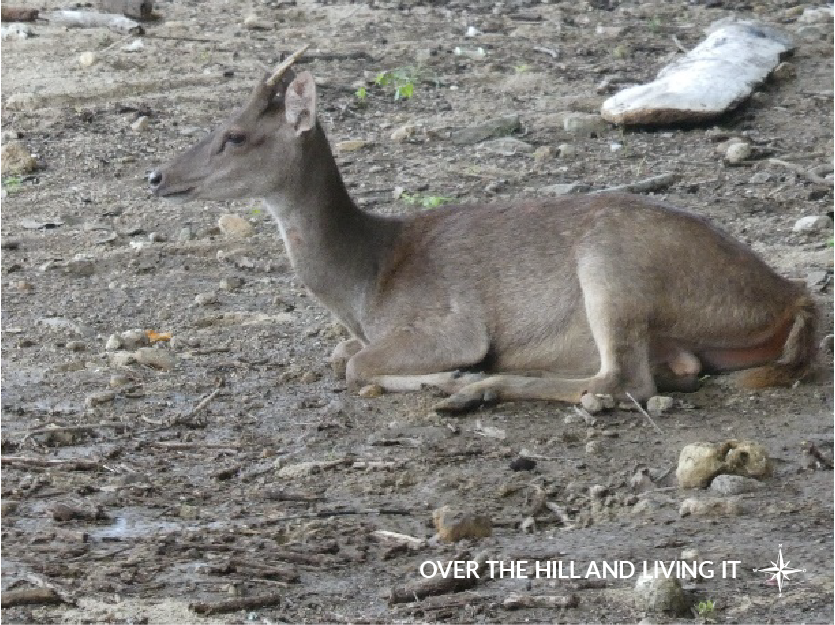
Komodo National Park includes three major islands, Komodo, Rinca and Padar, as well as numerous smaller islands. As well as being home to the Komodo Dragon, also know as the Komodo Monitor, or Ora (to Indonesians). In 1980, it was declared a World Heritage Site. The majority of the people in and around the Park are fishermem originally from Bima on the island of Sumbawa, and from Manggarai, South Flores, and South Sulawesi. Descendants of the original people of Komodo still live in Komodo, but their culture and language are slowly being integrated with the recent migrants. The dragons were huge but were passively lying around.
February 11 : Benoa (Bali) Indonesia
Bali, the famed island of the Gods, with its varied landscape of hills and mountains, rugged coastlines and sandy beaches, lush rice terraces and baren volcanic hillsides provide a picturesque backdrop to its colourful, spiritual and unique culture.
Bali is one of more that 17,000 islands in the Indonesian archipelago and is located just over 2 kilometres from the eastern tip of the island of Java. The best-known attractions are the countless Hindu temples. We rode a bus through the city seeing the sights –temples everywhere. We drove through rice terraces with workers in the fields. We saw a troop of monkeys on the roadside by a market in a small town. The cities appear quite poor with lots of trash along curbs and in waterways. Still every home has temples and shrines to their ancestors. Small dishes of foo are put out daily for the dead.
We made a stop at a lake for “tea”. It was too rushed to fully enjoy. The local people were polite, courteous and beautiful.
February 12 : Bali
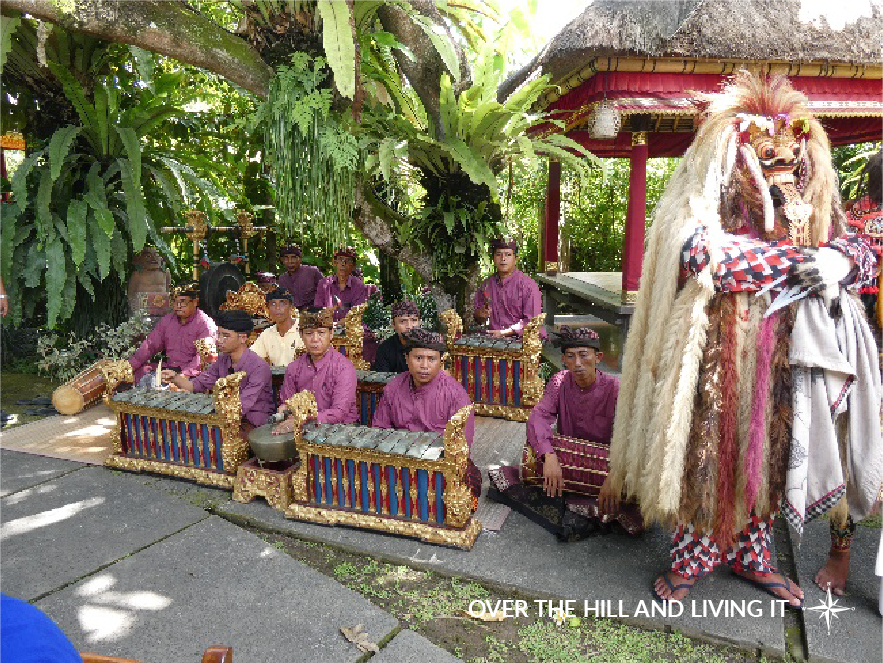
We went to a cultural centre where we watched a show and had lunch of Balinese items. The food was interesting, cultural “play” was entertaining and the dancers were classically Balinese. We enjoyed the experience.
February 13: Sea Day
February 14: Semarang, Java, Indonesia
Semarang has many historic sites including crumbling fortress walls, colorful Chinese temples, lattice-fronted cottages and gleaming mosques. Chinese troops were there in 1405. An Arab mullah founded the original village in the late 15th century. In 1705 it became a Dutch trading outpost. It now is a busy modern city but with many displays of the colonial past.
We took a bus tour through the city and stopped at a cultural center for snacks and a dance show. Next we went to a “museum” which is in six old buildings that had been built by the Dutch when they were governing. We walked quickly though an art exhibit, into an old church (both Protestant and Catholic) and past a market. The history is interesting but the time on-site is too brief. We had dinner with Don Ostler, a speaker who shares his travels nightly in the theater when at sea.
February 15 : Crossing the Equator Ceremony
The earliest mention of a ceremony dates back to 1529 and, in times gone by, was a touch and challenging task for any new cadet who had not ‘crossed the line’ before. It was a way for sailors to be tested for their seaworthiness and endurance.
Roman Mythology places Neptune as the God of the Sea and so tradition dictates that homage and allegiance is promised to Neptune during the ceremony. High ranking members of the crew dress up in elaborate costumes and each play a part representing King Neptune’s court.
February 16 : Singapore, Singapore
Singapore is a unitary, multiparty, parliamentary republic with a system of unicameral parliamentary government. The nation’s cores principles are meritocracy, multiculturalism and secularism. It is a city of sky scrapers, gondola and river with boats. We went to a market, rode a tricycle (rickshaw), and took a boat ride around the city. It was a pleasant day, 79º with 77% humidity. We went to Raffles Hotel where we had a “Singapore Sling” drink which originated there.
After two days at sea, eating and drinking, we anchored in Sydney and took the shuttle into town. We took the “Hop on Hop Off” bus and went to the Botanic garden. The gardens were lovely, although most of the flowers were done blooming.
After our garden walk, we went all around Sydney on the bus and saw a lot of the city buildings and neighborhoods. We learned a baby kangaroo is called a “Woolloomooloo” and an area of Sydney.
January 30 : Sydney
We did a tour of the Opera House. It has all the intrigue and interesting places one might expect but was certainly modern and impressive.
January 31 : Sea
A day at sea and a pod of dolphins swam along with the ship, appearing to enjoy the wake and the attention from the viewers on board.
February 1 : Brisbane
Brisbane is the capital of the state of Queensland with a population of about 2 million people. Did a tour to the Gold Coast and a city tour. We went up into the tallest building where we could see the reef and shore. Incredible views.
We also enjoyed the interesting street signs and laughed at the Australian humour. A Yield sign says “Give Way”, a bus stop is a “Refuge Island” and drivers are cautioned to “Turn Left At Any time with Care” “Shared Zone” means pedestrians and bicycles on the same path.
Following a day at sea we arrived in Airlie Beach. We took a small boat cruise where we could see Dugong, turtles, and a hammerhead but they move too quickly for pictures.
February 3-4 : Cairns
The gateway to the Great Barrier Reef Marine Park, Daintree Rainforest and Cape Tribulation.
We walked in the botanic garden where the birds and insects in the canopy in the rain forest were very loud and made a constant melodic sound. In Cairns, there were hundreds of bats sleeping in the trees and while we ate dinner on the ship, hundreds of bats flew over the bay and toward the agricultural area.
February 5 : Cookstown
We had to tender to the shore for an excursion to Captain James Cook museum. Interesting artifacts, coins and costumes and buildings from the past. The temperature was 90° Fahrenheit (32.2 C).
February 6-7 : Sea
Uneventful sea days, rain in the day, an incredible lightening storm at night.
February 7 : Darwin
Darwin was first named in 1839 by John Lort Stokes. It was named after his former shipmate and famous naturalist Charles Darwin. It is a beautiful city of about 140,000 people. We took a tour of the Botanical garden where we saw a 20-foot python in a tree quietly watching unaware people pass under it. We also saw black parrots and lots of interesting trees, plants, and flowers.
North Shuswap is in the interior of British Columbia. It is a very large lake shaped like an H and is about 90 kilimetres long. We have our own Monster, “Shugumu” or “Shuswaggi” although we have never seen him/her.
The pandemic cancelled our 2020 travels and drove us from the Lower Mainland. The spring and summer progressed as usual but without guests, boating or other group activities. Then, fall followed by winter. We have been blessed with snowfall and animals to watch when nothing else is happening.
Sunrise on North Shuswap, nothing more beautiful!
Let it snow, let it snow, let it snow.
Baby, it’s cold outside!
And inside, we have ice crystals on the bathroom window.
A cruise provides the opportunity to see many different ports and sites without packing and re-packing. Evening provides a familiar location for dinner and cozy room accommodation. (This was intended to be a 23-day cruise from Auckland to Bali but mid-cruise the ship was re-routed and then stopped early due to Covid 19. We were disappointed but it was a wonderful, informative and exciting experience.)
We boarded the Regent Seven Seas Cruise in Auckland on January 21, 2020 and sailed overnight to Tauranga. Tauranga is on the western Bay of Plenty on the east coast of New Zealand. The name “Tauranga” is Maori and translates as “a sheltered anchorage”. The climate is warm and dry. The town is surrounded by horticultural lands growing tangelos and kiwifruit. The pier was a quick shuttle (boat) ride where we chose to take a walk around a small mountain on a well-maintained path.
The walk provided views of the local wildlife including sheep and birds. The statue of a fisherman in the bay is a reminder of the fishing as a staple of the past. The beaches were beautiful and clean. We stopped for a cool drink at an open café.
Gisborne
Gisborne is the first city in the world to greet the sun each morning. The region is sheltered by high country to the west leading to mild temperatures for growing wines. There are boutique wineries to be toured with Chardonnay as a preferred grape to be grown. Adventurous travelers can do cycling tours of wineries others take a stream train or van. We went on a morning tour of wine country and had our first tasting at 9:30 a.m. where we also had bread, appies and three glasses of wine.
Napier
There Was a large earthquake in 1931 that leveled most of Napier. We drove through town and saw lots of Art Décor buildings. (For a future trip, a full day minimum in this interesting town.) Next we drove to Hastings, over the Tiki Tiki River.
We went to Gimblett Gravels wine area where there are 78 wineries along with breweries and cideries. We stopped at Mission Estate, the oldest winery in New Zealand. One glass was provided for tasting three wines and no bread or appies. Not as impressive as in Gisborne.
Wellington
Brief visit to Wellington where we drove up Mt.Victoria for incredible views of the city (360 degrees) including the bay and the forest below with mountains in the distance.
Then on to Otari, and a walk with a guide in a botanical garden. We did a short tour of the gardens (too short) and saw incredible ferns and plants. (This site would be worth a day trip as it was a lovely, large garden.)
Nelson
We walked from the ship down the main street of this small, clean town. We admired the charming gift shops and note the people have a sense of humor.
After our walk, back to the ship and time to sail to our next port. On the ship we took a galley tour on Regent, relaxed, ate great foods and wines while we sailed. Next port, Sydney, Australia.
A five-day cruise on AMA Waterway provided an amazing Christmas experience. Our grandson and his new wife invited us to go on their December honeymoon. On arrival to the ship, we were greeted with champagne. Lovely dinner with menu choices so we could all enjoy something the size and flavors of our personal taste. Daily options for tours allowed us start in Paris and travel through four countries: France, Switzerland, Germany and Holland. On Christmas Eve, Santa made a visit and left each of us a gift in our shoe that was left outside the cabin door. Incredible Christmas memory at moderate cost with comfortable accommodations and excellent food choices.
Paris, France
Paris, the city of love decked out for Christmas. We walked in the area of our hotel, visited Galleries Lafayette which had highly decorated Christmas window displays. We visited Sacre Cour and the Eiffel tower, going up to the second floor. We took a canal cruise and we went to the Louve.
Basel, Switzerland
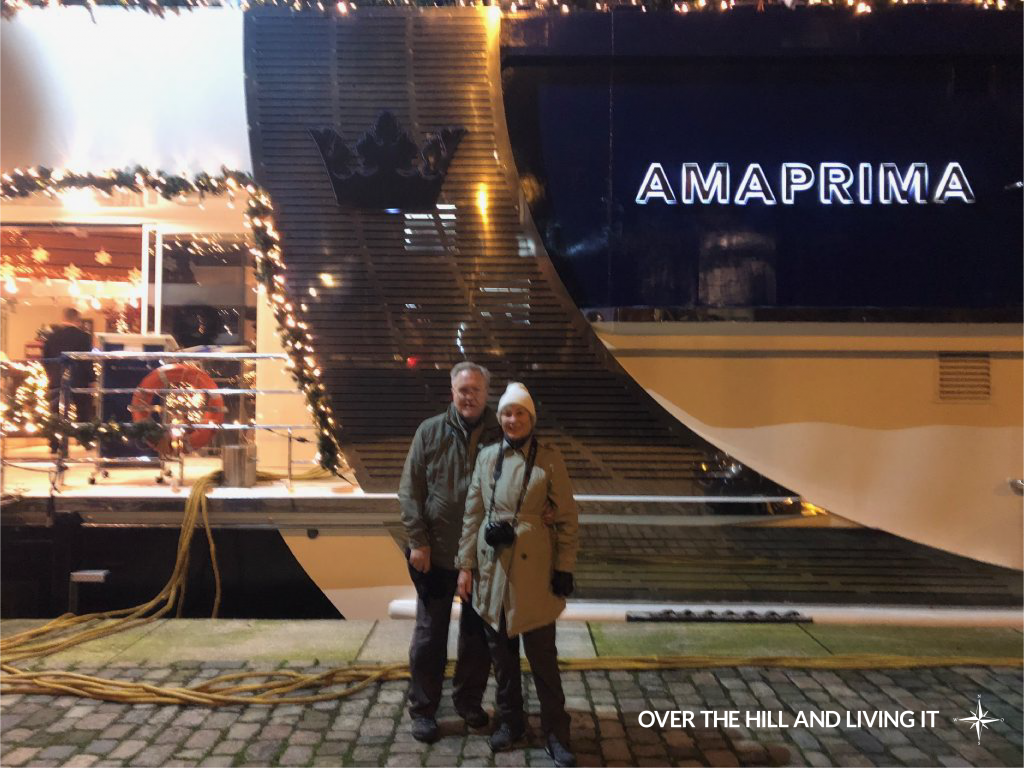
We boarded the AmaPrima and were greeted with champagne and then we settled into our comfortable rooms. Dinner was served in the Main Restaurant including: oyster mushroom soup, shrimp tempura cake followed by sorbet to cleanse the palate. Main dish included: slow roast beef sirloin, balsamic shallots, garden vegetables, and saffron polenta slice. Dessert was poppy seed raspberry parfait ice cream. Quite the culinary dream.
Breisach, Germany Dec. 22
After breakfast we were transported by bus to Breisach Germany, situated on the German side of the Rhine and directly facing the Alsatian region in France. We walked in Riquewihr which is described as one of the most beautiful villages of France. There are only 1500 residents and the village has remained unchanged over centuries as it was not damaged during World War II due its location at the foot of the mountains. The castle inspired Walt Disney’s images for his princess movies. The streets are cobblestone, the houses are half-timber and the Christmas singers and market made the morning very festive.
Strasbourg, Germany Dec 23
The afternoon included a trip to the Christmas Market. The Strasbourg Christmas market is one of the oldest in France and dates back to 1570. During the Middle Ages the fair was called the ‘Saint Nicholas Market’. Fairs and markets were frequently held in the large towns of the Holy Roman Empire of German Nation. The festive celebration was aimed at distributing presents among the children on the occasion of the celebration of Saint Nicholas. On December 22 December 1570, the municipal council made the decision to dedicate the fair to the Christkindel, the Infant Jesus, who reigns over all Christians. After the 1990s, the Christmas Market has spread to many other places and been enriched with additional activities including concerts, exhibitions and other activities.
The Gengenbach Advent Calendar is made on a building with windows for each day of the month. This Christmas exhibition is motifs from “The Little Prince” by Antoine de Saint-Exupery and Valeria Docampo. We walked through more Christmas markets stalls and drank hot chocolate. A novel announcement of the birth of a child attracted our attention as we watched the celebration of the birth of Christ with music and performances.
Ludwigshafen and Speyer, Germany Dec 24
This day was a morning tour of a Christmas Market and a visit to Speyer. Speyer has 50,000 residents in the German state called Rhineland-Palatinate. It is one of Germany’s oldest towns, founded by the Romans. Konrad II, a Salian emperor from Speyer was elected King of Germany. Konrad had a mighty cathedral build that was consecrated in 1061 although not completed until 1111. It was the largest church of its time and became the burial place of eight German emperors and kings. The Speyer Cathedral remains the largest Romanesque church to this day.
The first Jewish community emerged in Speyer at the instigation of Bishop Rudiger Huzmann in 1084. He invited the Jews to move to Speyer and settled them in the former suburb of Altspeyer which he had surrounded by a wall for their protection. He granted the Jews rights and privileges which went well beyond the contemporary practice. The Jews’ Court (Judenhof), contained men’s and women’s synagogues and the Mikveh (a bath used for ritual immersion in Judaism to achieve ritual purity). (Judenbad). The ruins of the Speyer Synagogue are the oldest visible remnants of such a building in central Europe. The Mikveh, first mentioned in 1126, has remained almost unchanged to this day and is still supplied by fresh groundwater.
After dinner we had a visit from Santa Claus and everyone was expected to sit on his lap and receive a gift. We did, the gifts were a small wreath and a nutcracker which we will happily display for future Christmas decoration.
Rudesheim, Germany December 25
This is a small and charming port town that has about
7,000 residents. The town dates back to the Romans and is now home of the
famous wine “Riesling”. There are remnants of three castles in the center of
town which belongs to the Archbishops of Mainz.
“Asbach” brandy is a specialty of Ruedesheim and a key
ingredient in Rudesheimer coffee. A sip of the brandy is poured into a special
mug, set on fire, doused with coffee and topped by whipped cream and chocolate
flakes.
On Christmas day we took a “Choo coo” into town to
visit Siegfried’s Mechanical Music Museum with many beautiful wooden music
boxes and gramophone players. A volunteer had given up her Christmas time with
her family to come in and give us an excellent tour of the museum.
Afternoon, we sailed up the Rhine Gorge on the most famous stretch of the Rhine River. No less than 30 castles or castle ruins are located on this short stretch of river valley. Commentary came over the loud speaker so we could be comfortable inside but know what we were seeing. During the 12th century every Lord wanted a castle for himself. They cost a lot of money to build but they also made money for their owners as each castle owner could demand custom money from whoever passed, no matter if by land or water. The Rhine is truly an international river since it traverses and borders six countries: Switzerland, Liechtenstein, Austria, Germany, France and the Netherlands. The slopes are covered by vineyards, castles and picturesque villages.
While cruising through the Rhine Gorge, we passed the famous Lorelei Rock, located in the narrowest and deepest stretch of the river. There are many stories about the Lorelei and many wrecks are attributed to her as she was so beautiful and sang bewitching songs so that sailors would sail into the dangerous currents to get close to her.
Cologne (Koln), Germany December 26
Cologne is a major cultural center of the Rhineland.
It is German’s fourth largest city with a population of over one million
people. The Romans settled there in 50 BC because of the natural harbor and the
city grew quickly. The city motto is “Live and Let Live!” The Cologne Cathedral
is the most recognizable landmark. The Cathedral was built to house the reputed
relics of the three kings (Magi) and was the tallest building in Europe until
the Eiffel Tower in Paris was constructed.
Kolsch Beer is part of the local life of Cologne and may only be produced in the breweries located in and around the city. It is clear, light, highly fermented and aromatically bitter with a strong flavor of hops. The word Kolsch actually means “from Cologne”. The city’s most famous produce is “Eau de Cologne”, better known by its brand name “4711″. At the beginning of the 18th century, Italian expatriate Johann Maria Farina created a new fragrance that he named after his new residence, Cologne.
The Christmas market is actually six markets in one, the four largest and most impressive parts are located right near the town’s beautiful Gothic cathedral. There are half-timbered stalls, a temporary ice-rink, a floating market and the Medieval Christmas market providing a family dream experience.
Amsterdam, Netherlands, December 27
A canal cruise to see Amsterdam and some sights. The historical bridges and buildings intrigue us and we can imagine what living in the past would have been.
Amsterdam is a lovely place with lots of canals and bicycles. The Christmas spirit was apparent everywhere we went. The final part of the cruise suggests even the sun was celebrating.
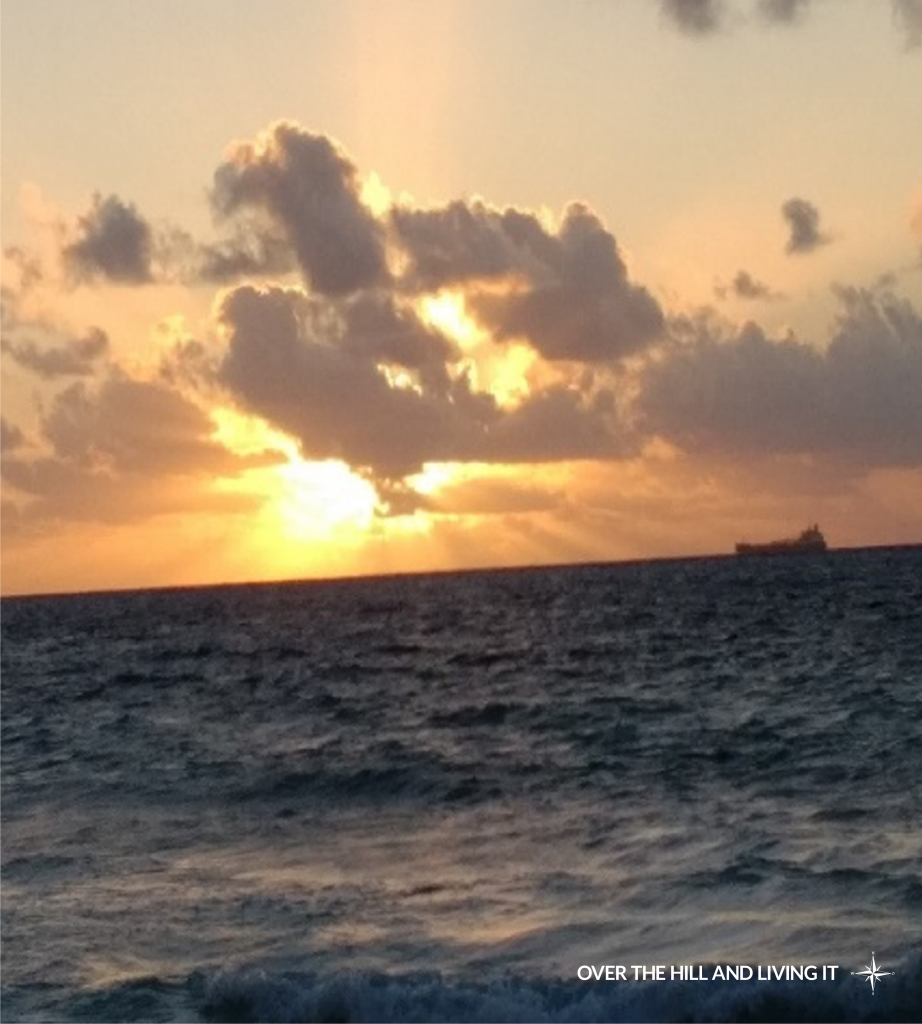
Beyond the sandy waters edge, the sea gradually changes from tan to cream, light blue, turquoise, dark blue and then indigo on the horizon. The soft, warm breeze embraces the beach goer. The fishing boats parked on the shore selling their fresh catch captures the beach walker’s attention. More than 2 million Canadians visit Mexico annually and many frequent Playa del Carmen for their holiday. A holiday in Playa del Carmen, escaping the Canadian winter, provides the perfect opportunity to engage in the celebration of the local dishes and fine restaurant cuisine.
A short distance from the beach, Avenida Quinta (5th
Avenue) beckons to shoppers to stroll the 42-block walking street. La Quinta is
where vendors sell their wares including cigars and Mayan handicrafts. Between
the stalls, restaurants beckon to the walking visitor. Most travellers think
this is “Playa del Carmen” but there is a richer, hidden Playa where chefs
prepare indigenous foods unlike the Mexican tacos and quesadillas familiar to
many Canadian family tables.
A walking food crawl beyond Avenida Quinta, with a
local guide, proved to be an exciting and delicious way to explore the city of
Playa del Carmen while tasting a spectacular range of food choices that have
been influenced by Mayan, Aztec and Spanish cultures. This walking tour
provides adventurous travelers the opportunity to take their taste buds on tour
and move beyond the beautiful beach and hotel facilities to experience the
city’s distinctive array of foods.
On a late afternoon, evening tour, eating one dish in each restaurant, we went to places that not many tourists frequent and heard local history of the locations and the dishes presented. Each restaurant provided a variety of local tastes, regional specialities and delicious offerings available to choose and share.
Starting in the open-air market, food stalls and restaurants featured varied flavours, vibrant colours and varieties of spices along with pre-Hispanic super foods, with spice tastes ranging from mild to fiercely hot, including Chaya, achiote and cacao. We tasted regional dishes such as salbutes, panuchos, sopes, conchinita pibil and others. We also tasted, and recommend, familiar dishes including a variety of tacos, enchiladas, quesadillas and ceviche.
Some of our favourite restaurants with prices that are more than reasonable include:
El Fogon
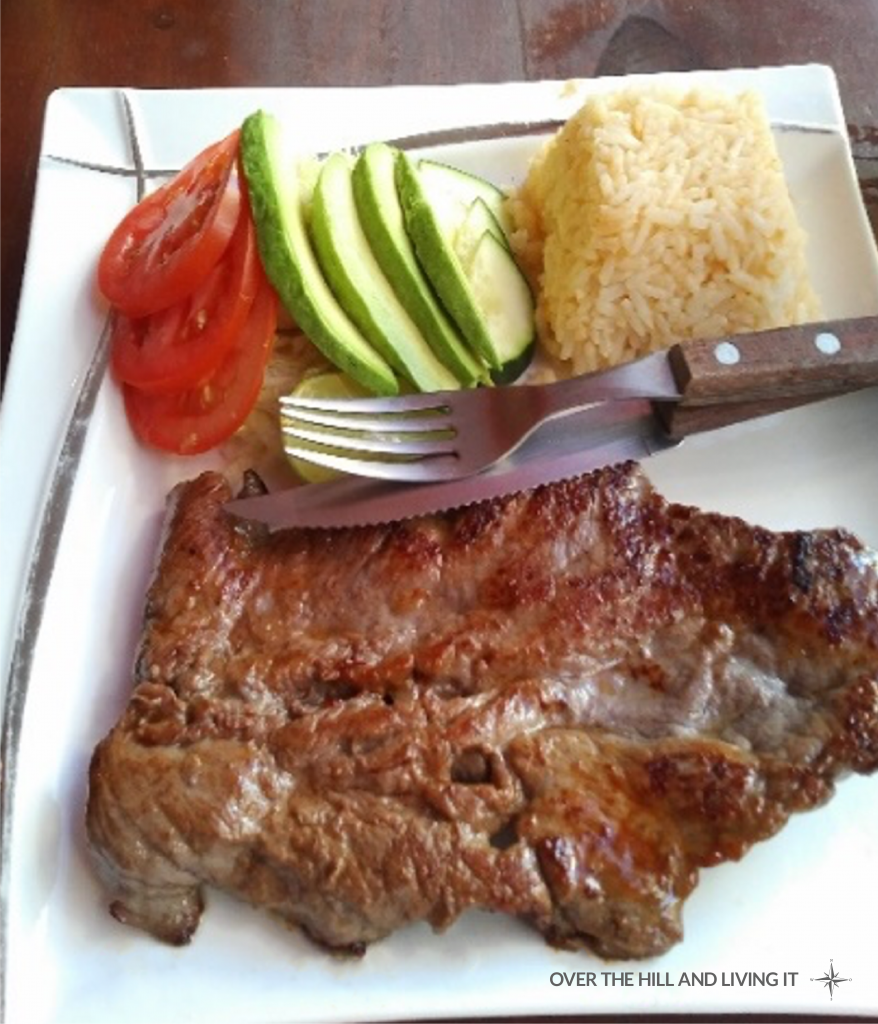
Authentic Mexican food with excellent tacos el pastor. Pork and chorizo, chicken fajitas, stuffed peppers and the best beans in Playa. The grilled vegetables are also amazing. The Arrachera is a favourite of ours.
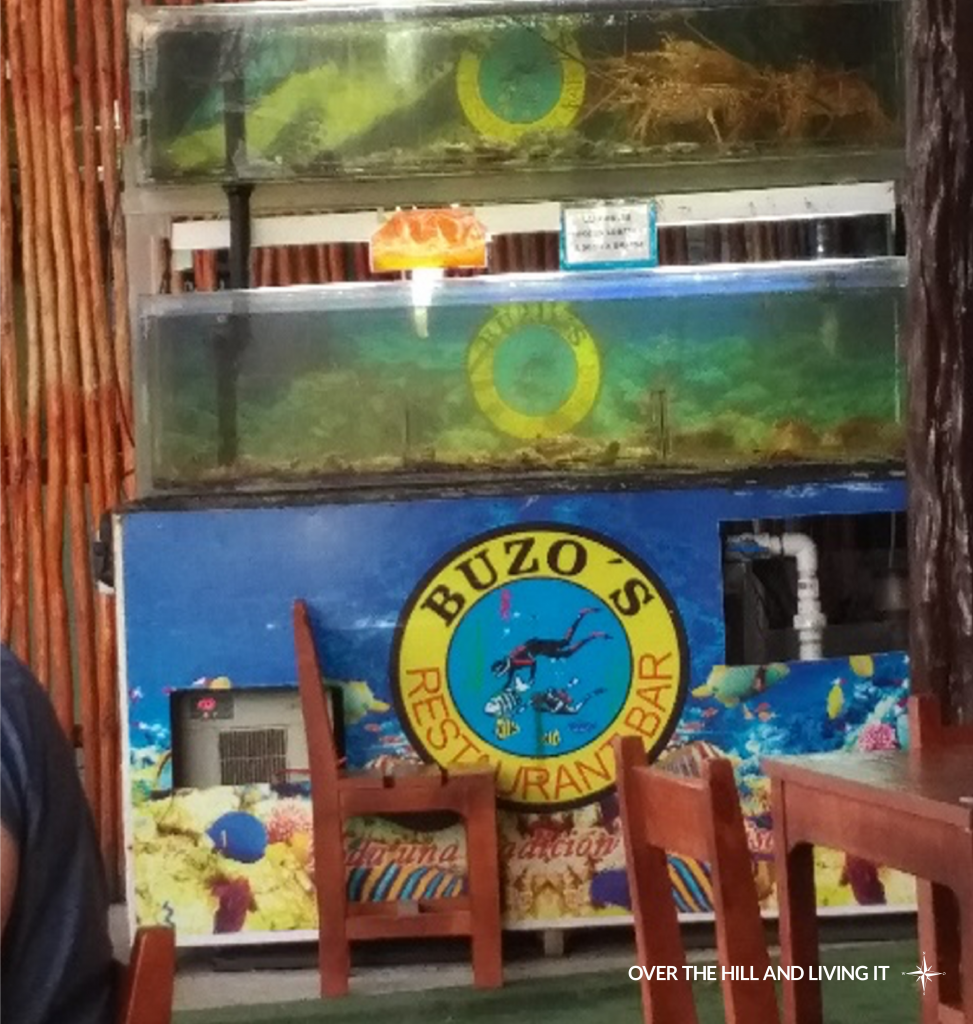
Buzo’s
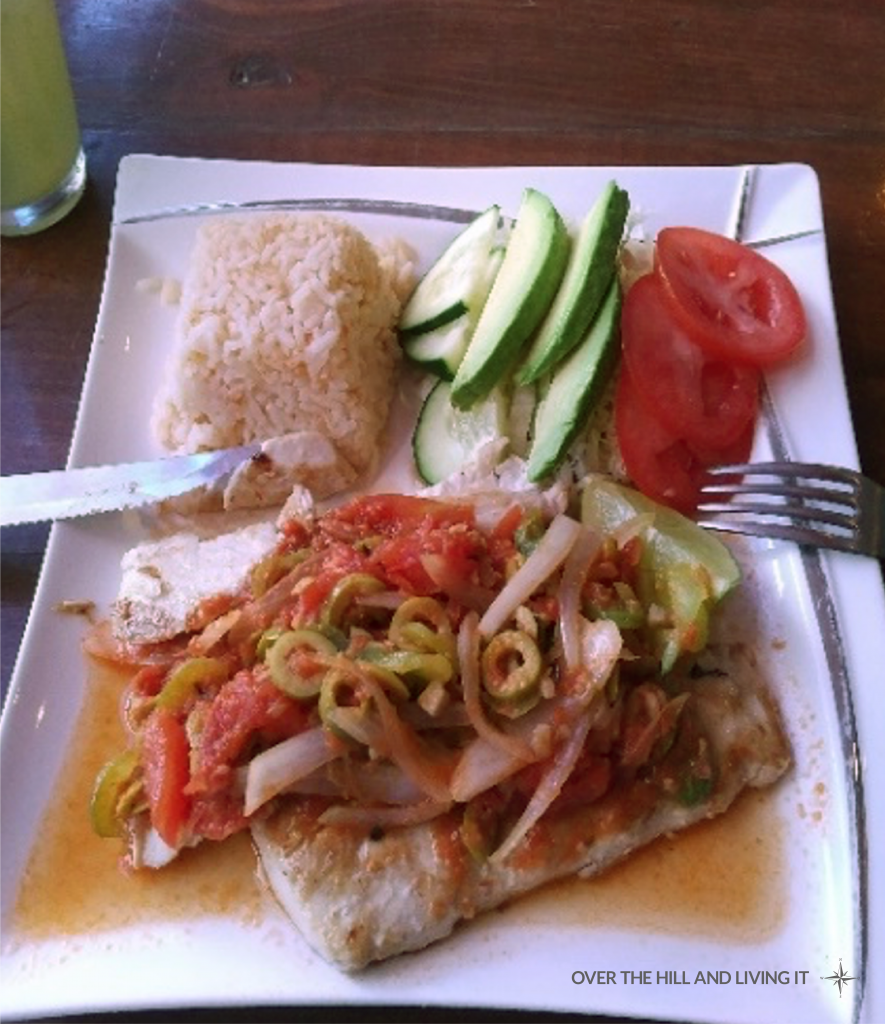
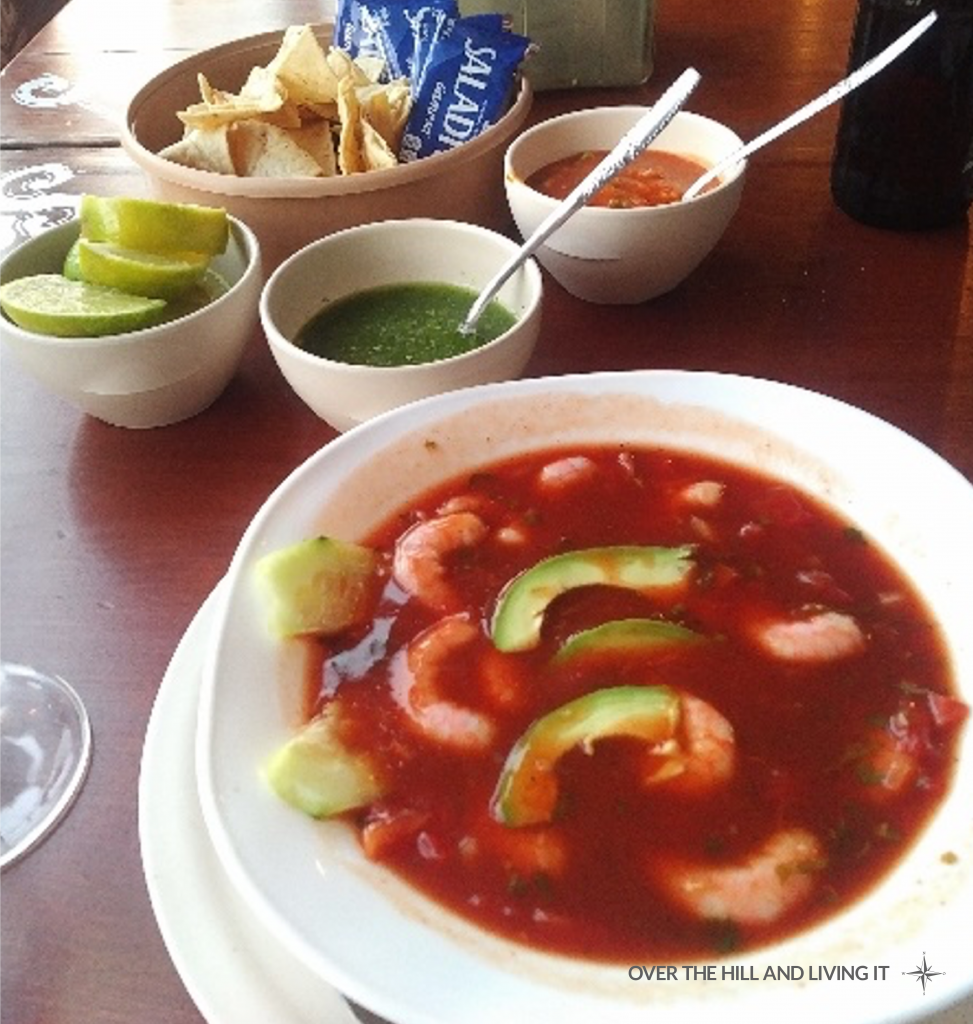
Is out of the tourist center and a no-frills Mexican seafood restaurant. They usually have live oysters and clams when in season. They also serve seafood soups, ceviches, octopus, shrimp and other dishes. They offer beer and a full bar. The fish dishes are excellent, salsa and dips are unique and flavorful with the chips and other dishes.
La Brocherie
Rotisserie Chicken – Another no-frills “Little Paris” restaurant and one of our favourites. The staff are friendly and accommodate requests. The food, chicken, is amazing, melt-in-your-mouth and nothing like anywhere else you have eaten. Wednesday is beef bourguignon night and it is incredibly delicious.
El Tapas
Spanish food with a mixed paella that included giant shrimp, mussels and pieces of pork. We also love the selection of tapas and choose items to share so we can enjoy the range of flavours and spices. Remarkably satisfying evening with a nice bottle of wine, seating on a patio, and guitar music.
Les Amis
Perfect sandwiches for brunch/lunch with fresh juices of your choosing. Warm, welcoming staff make you feel at home and treat you like guests.
Don Sirloin
Fantastic tacos, great range of salsas, tacos al pastor melts in your mouth. They cook the meat on a “trompo,” and the flavours will make you crave one of your own.
Playa del Carmen is a great place to visit with the ocean and sunshine such a pleasure. But, breakfast, lunch and dinner can be an exciting adventure away from La Quinta and a short walk into town provides a much greater variety of foods and experiences than the tourist area.